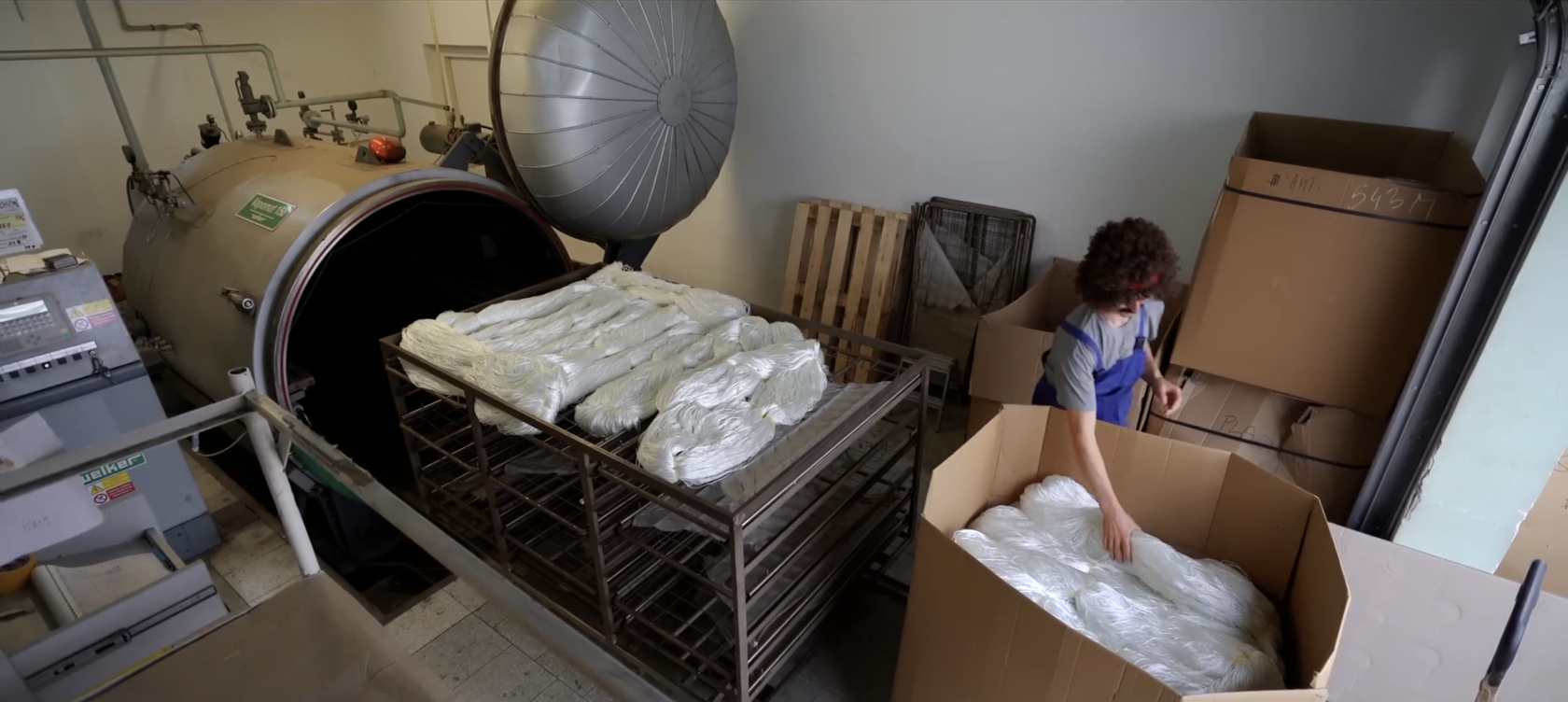
Heat setting is a manufacturing stage in which the core strands and sheath yarns — or the finished rope itself — undergo intermittent heating involving pressure, steam, or chemicals. The exact process varies from one manufacturer to another. This reorients the molecular bonds in the rope material and relieves residual stresses built up in the strands during earlier stages of production. In other words, it helps stabilize the rope’s structure.
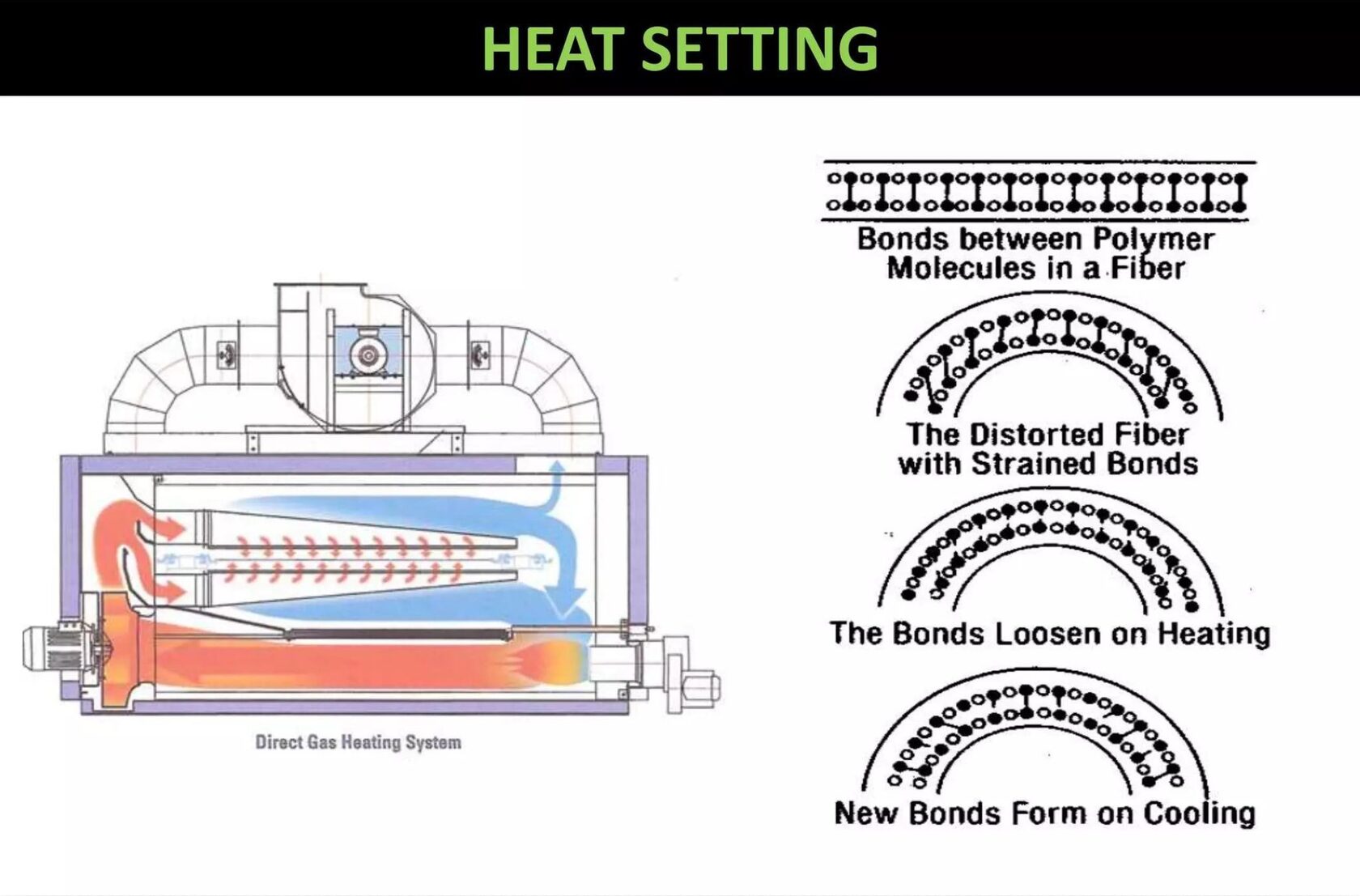
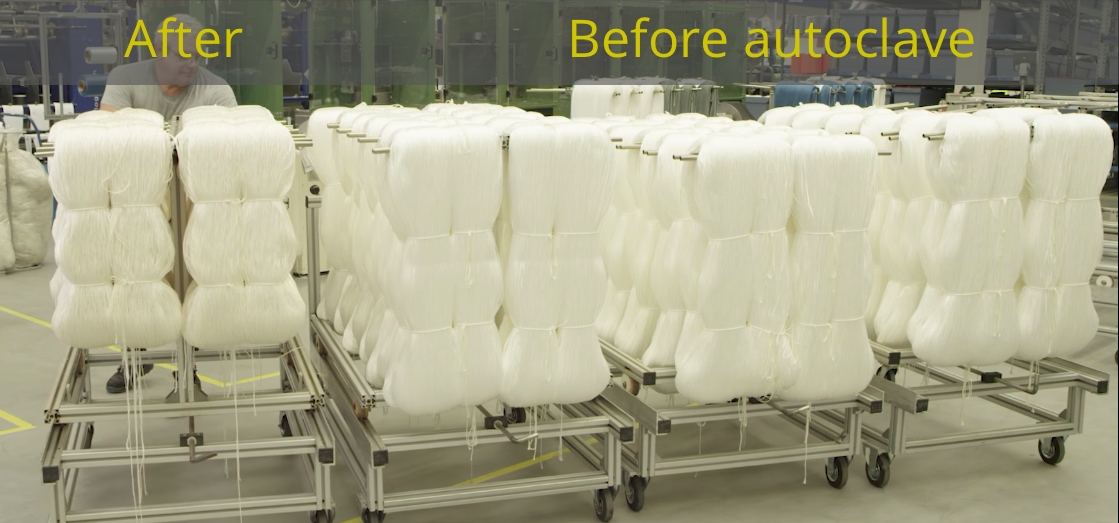
In practical terms, this means the rope shrinks* during manufacture. As a result, its length and diameter tend to change less after repeated exposure to water, and the rope can retain more consistent handling and suppleness over its service life. It may also become slightly stronger, lower-stretch and more resistant to heat.
*Shrinkage is a standard parameter that must be tested and stated for all low-stretch ropes certified to EN 1891
*Shrinkage is a standard parameter that must be tested and stated for all low-stretch ropes certified to EN 1891
So, should you soak — and thereby pre-shrink — a semi-static rope that has not been heat-set?
Quite often — yes. Especially nylon ones.
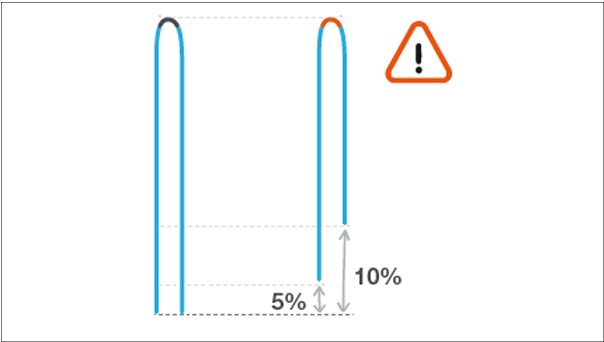
Doing it beforehand can save you a nasty surprise later when the rope suddenly turns out to be several metres shorter than the length you bought or cut. Depending on the construction, initial shrinkage can be several percent, while repeated wet/dry cycles can eventually push the total length loss beyond 10%.
Quite often — yes. Especially nylon ones.
Doing it beforehand can save you a nasty surprise later when the rope suddenly turns out to be several metres shorter than the length you bought or cut. Depending on the construction, initial shrinkage can be several percent, while repeated wet/dry cycles can eventually push the total length loss beyond 10%.
Pre-soaking can also change how a fresh rope runs through descenders and belay devices. Manufacturing lubricants can make a brand-new rope noticeably slick; washing them out generally gives you more predictable friction and grip. With some ropes, soaking also helps the sheath settle more tightly around the core and reduces the tendency toward sheath slippage.
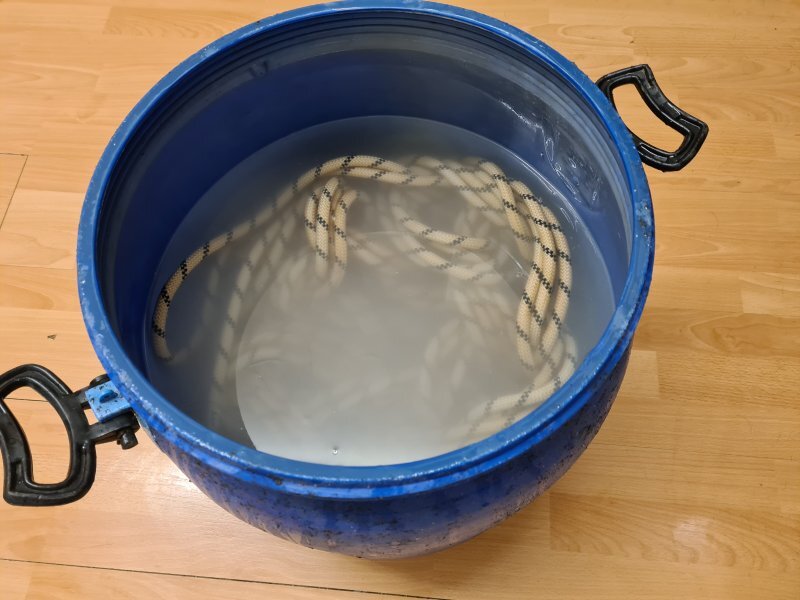
A number of manufacturers recommend this for their low-stretch ropes. EDELRID, for example, advises soaking a new static rope in clean water for 24 hours and then letting it air-dry slowly—away from radiators, dryers and direct sunlight.
A number of manufacturers recommend this for their low-stretch ropes. EDELRID, for example, advises soaking a new static rope in clean water for 24 hours and then letting it air-dry slowly—away from radiators, dryers and direct sunlight.
And yes, nylon doesn’t exactly love water.
When wet, it absorbs moisture and its mechanical behaviour changes. But once properly dried, most of that effect is reversible. In normal use, your rope is much more likely to reach retirement because of abrasion, cuts, contamination, heat damage, hard falls or plain old wear than because it has occasionally got wet.
When wet, it absorbs moisture and its mechanical behaviour changes. But once properly dried, most of that effect is reversible. In normal use, your rope is much more likely to reach retirement because of abrasion, cuts, contamination, heat damage, hard falls or plain old wear than because it has occasionally got wet.
________________________________________
BOTTOM LINE: if you buy a new untreated / non-pre-shrunk static rope, check the manufacturer’s instructions.
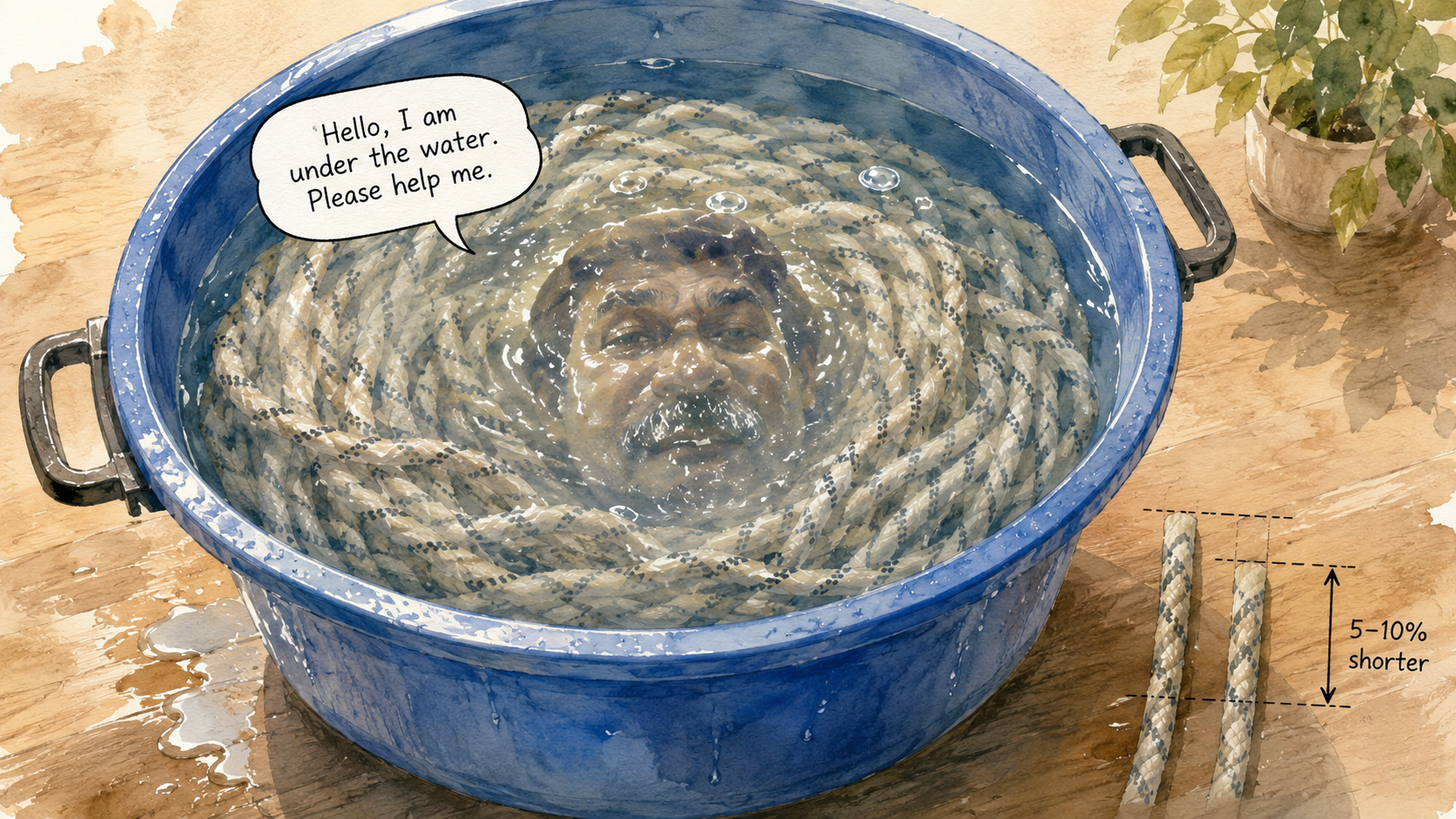
If pre-soaking is recommended — or you’ve bought some cheap crappy rope with no guidance at all — chuck it in a bucket of clean water before cutting it to final length or rigging it somewhere where every metre matters.
Maybe it barely shrinks at all. Maybe your 100 m rope comes back noticeably shorter.
Better to find that out in a bucket than halfway down a cliff or façade — or deep inside a cave.
BOTTOM LINE: if you buy a new untreated / non-pre-shrunk static rope, check the manufacturer’s instructions.
If pre-soaking is recommended — or you’ve bought some cheap crappy rope with no guidance at all — chuck it in a bucket of clean water before cutting it to final length or rigging it somewhere where every metre matters.
Maybe it barely shrinks at all. Maybe your 100 m rope comes back noticeably shorter.
Better to find that out in a bucket than halfway down a cliff or façade — or deep inside a cave.
